Is a Buyer’s Market Coming in 2026? Experts Weigh In
18 April 2026
As we navigate the ever-changing landscape of real estate, the question on everyone’s lips seems to be: “Is a buyer’s market coming in 2026?” If you’re like most people, you’ve probably heard the term "buyer’s market" thrown around a lot, but what does it really mean? And more importantly, what should you, as a prospective buyer, know about it? Let’s dive deep into the factors at play, hear from the experts, and figure out what the future might hold.
What is a Buyer’s Market?
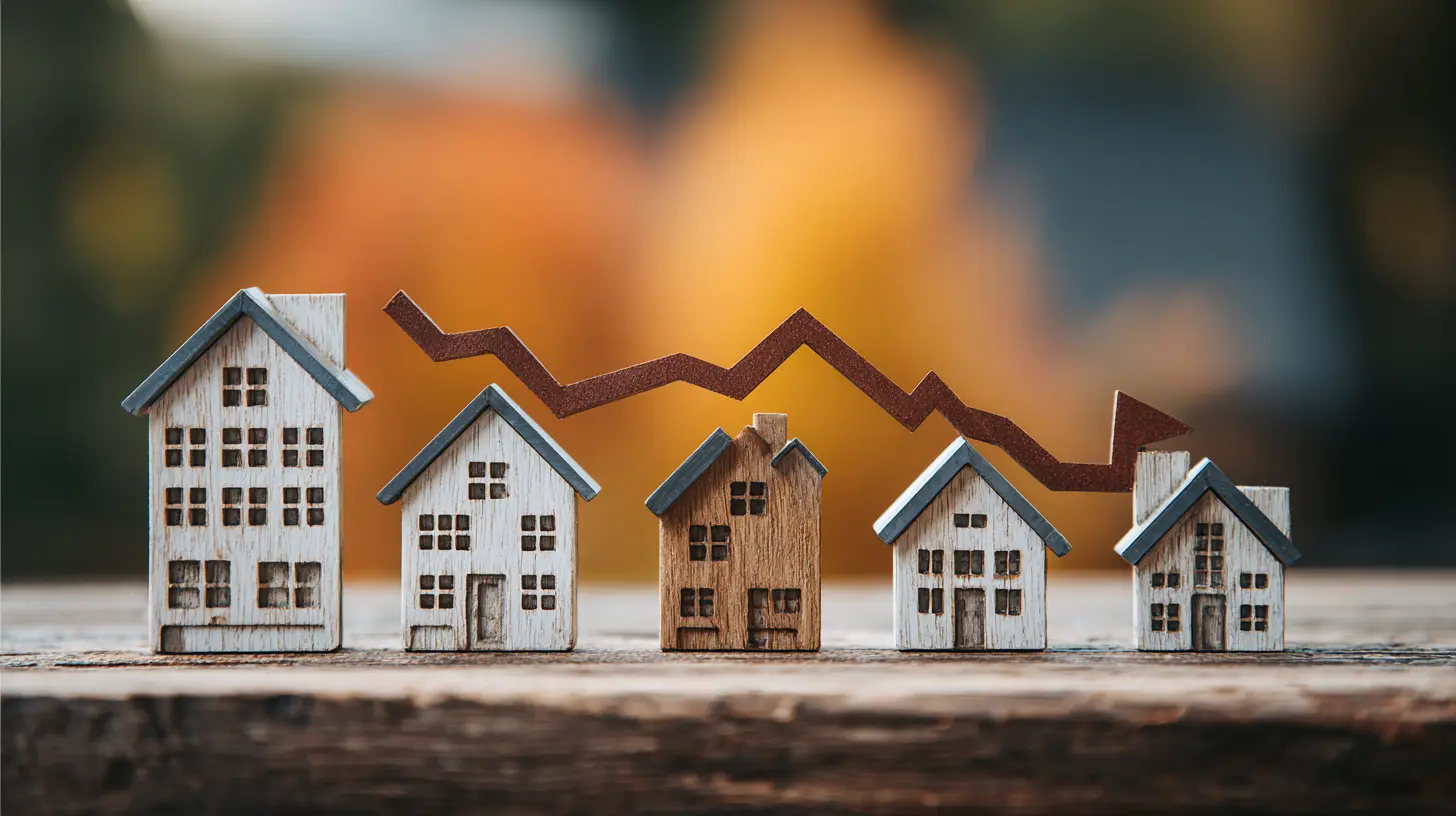
Before we delve into predictions about 2026, let’s clarify what we mean by a buyer’s market. Essentially, a buyer’s market occurs when there are more homes for sale than there are buyers looking to purchase them. This oversupply can lead to lower home prices and more negotiating power for buyers. Think of it like a sale at your favorite store—when there’s plenty of stock, you might score a great deal!
The Current State of the Market
As of 2023, the real estate market has been a wild ride. Interest rates have fluctuated, inventory has been tight, and home prices have soared in many areas. Buyers have had to navigate bidding wars, often offering above asking price just to secure a property. It’s been a seller’s paradise, but the winds of change may be on the horizon.Interest Rates: The Game Changer
Interest rates play a crucial role in shaping the real estate market. The Federal Reserve’s decisions impact mortgage rates, which can either entice buyers or push them away. Higher interest rates generally lead to fewer buyers, while lower rates can spark a buying frenzy. As we look toward 2026, many experts are predicting a decline in rates, which could open the floodgates for buyers.Inventory Levels: A Double-Edged Sword
Inventory, or the number of homes for sale, is another key factor. If we continue to see an increase in new construction and existing homes being put on the market, we could witness a shift toward a buyer’s market. However, if inventory remains low, it could keep prices high and competition fierce.
Expert Predictions for 2026
Now that we’ve set the stage, let’s hear from some real estate experts. What are they saying about the potential for a buyer’s market in 2026?Economic Indicators and Trends
According to several economists, the U.S. economy is expected to stabilize as we move through the next few years. Factors like wage growth, employment rates, and inflation will contribute to consumer confidence. When people feel secure in their jobs and finances, they’re more likely to buy homes. A strong economy could mean more buyers entering the market, but it could also mean rising home prices if supply doesn’t catch up.The Role of Millennial Buyers
Millennials are entering the housing market in droves. As they reach their late 20s and early 30s, many are looking to buy their first homes. Experts believe that this demographic could significantly influence market dynamics. If inventory doesn’t keep pace with their demand, we might not see a buyer’s market quite yet.Remote Work and Relocation Trends
The pandemic has changed how and where people want to live. The rise of remote work has allowed many individuals to relocate to less densely populated areas, which can affect housing demand. If this trend continues, we might see shifts in specific markets, creating pockets of buyer’s markets in previously hot areas.
Indicators of a Buyer’s Market
So, what should you be on the lookout for if you’re trying to determine whether a buyer’s market is approaching? Here are some key indicators:Increased Inventory
As we mentioned earlier, an increase in the number of homes available for sale is one of the strongest indicators of a buyer’s market. If you start to see more “For Sale” signs popping up in your neighborhood, it might be time to get excited!Price Reductions
When sellers start lowering their asking prices, it’s a sign that the market is shifting. If homes are sitting on the market longer and price cuts become more common, it could indicate that buyers are gaining leverage.Longer Days on Market
Typically, homes in a seller’s market sell quickly, often within days or weeks. If you notice homes languishing on the market for months, it could be a sign that buyers are becoming more hesitant, leading to a potential buyer’s market.The Impact of Technology on Real Estate
Let’s not forget about how technology is changing the game. Online real estate platforms and virtual tours have made it easier than ever for buyers to shop for homes without leaving their couches. This trend is likely to continue and could influence demand dynamics in unexpected ways.The Rise of iBuyers
iBuyers, or companies that buy homes directly from sellers, are becoming increasingly popular. They can offer fast transactions and convenience, which can impact traditional sales. If iBuyers gain more traction, they could shift the balance between buyers and sellers even further.
Preparing for a Buyer’s Market
If you’re considering buying a home in the next few years, it’s essential to prepare for the possibility of a buyer’s market. Here are some tips to help you navigate the waters:Get Your Finances in Order
Before you start house hunting, make sure your finances are in check. This means getting pre-approved for a mortgage, knowing your budget, and understanding your credit score. When the time comes to make an offer, being financially prepared can give you the edge you need.Stay Informed
Market trends can change rapidly, so staying informed is key. Follow real estate news, subscribe to local market reports, and consult with trusted professionals. Being in the loop can help you make informed decisions when it’s time to buy.Be Ready to Act
In a buyer’s market, you may find yourself with more options. But don’t let the abundance of choices lead to analysis paralysis. When you find a home that checks your boxes, be prepared to act quickly. You may have the upper hand, but you still don’t want to lose out on your dream home!Conclusion: The Future is Uncertain but Hopeful
As we peer into the crystal ball of 2026, it’s clear that a lot can change in the real estate market. While experts have differing opinions on whether a buyer’s market is truly on the horizon, one thing is certain: the landscape is shifting.Whether you’re a first-time buyer or looking to upgrade, being aware of these trends can help you make smarter decisions. The best advice? Stay informed, be prepared, and keep your eyes peeled for opportunities.
After all, the real estate market is like a game of chess—strategic moves can lead to victory, and sometimes, all it takes is a single opportunity to tip the scales in your favor.
all images in this post were generated using AI tools
Category:
Housing Market TrendsAuthor:

Lydia Hodge
Discussion
rate this article
2 comments
Selina Kirkpatrick
A buyer's market in 2026 remains speculative. Affordability and inventory are key factors. Experts agree predictions are fluid, so focus on local data, not national forecasts.
April 30, 2026 at 2:27 AM
Lydia Hodge
You're right, local data is crucial. Speculation can only go so far, and affordability will play a major role in shaping the market.
Cooper McMahan
Great insights! It's always fascinating to hear expert predictions about the housing market. Whether you're buying or selling, understanding these trends can really help us all make smarter decisions. Can't wait to see how it unfolds in 2026!
April 19, 2026 at 2:55 AM
Lydia Hodge
Thanks for your thoughts! The next few years will definitely be interesting for buyers and sellers alike. Let's see how it all develops.